The Magic of Skin Diving — A New World Through Freediving
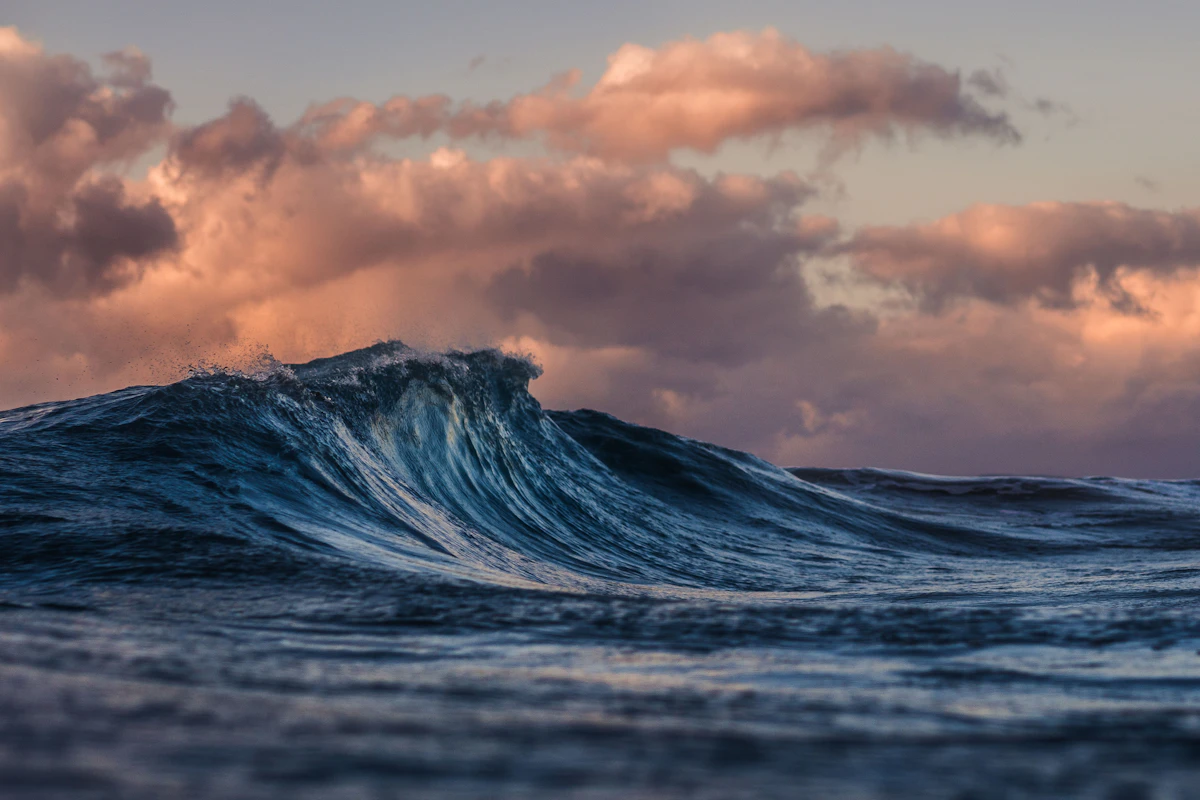
No tanks, just your breath. Discover the silence, freedom, and achievement that only skin diving can offer.
Leave the gear behind. Just you, your breath, and the ocean.
A minimal, liberating dive style totally unlike scuba. All you need to start is basic breathing technique in the shallows — and the ocean opens up. Beginners welcome with on-day coaching.
What is the difference between skin diving and scuba diving?

Skin diving means freediving — holding your breath and diving without tanks. Scuba provides continuous air supply for long dives but requires heavy gear. Skin diving needs only mask, fins, and snorkel. Lighter equipment means less disturbance to fish, a more natural experience, and less pressure on the ears than scuba. It is also far more affordable and easy to try on a trip.
3 experiences unique to skin diving that scuba cannot give you

① Silence: No bubbles from a tank — you hear the ocean as it truly sounds: waves, fish nibbling coral, your own heartbeat. ② Lightness: Without 10+ kg of gear you move freely, and fish are less spooked. ③ Achievement: The feeling of diving deeper on just your own breath — 5m, then 10m — is a growth experience scuba simply cannot replicate. Our guests most often cite this as their most memorable moment.
The breathing technique beginners learn first — relaxation is the key
The two foundations of skin diving are relaxation and correct breathing. We teach (1) "packed-lung" breathing — fully expanding the lungs before each dive — and (2) using the diving reflex, the natural drop in heart rate when your face enters water. Relax and your body acclimates to the water, burning less oxygen so you can stay down longer. We spend 15–20 minutes practicing in the shallows before the main dive.
When is the best season for skin diving in Okinawa? Water temperature & visibility guide
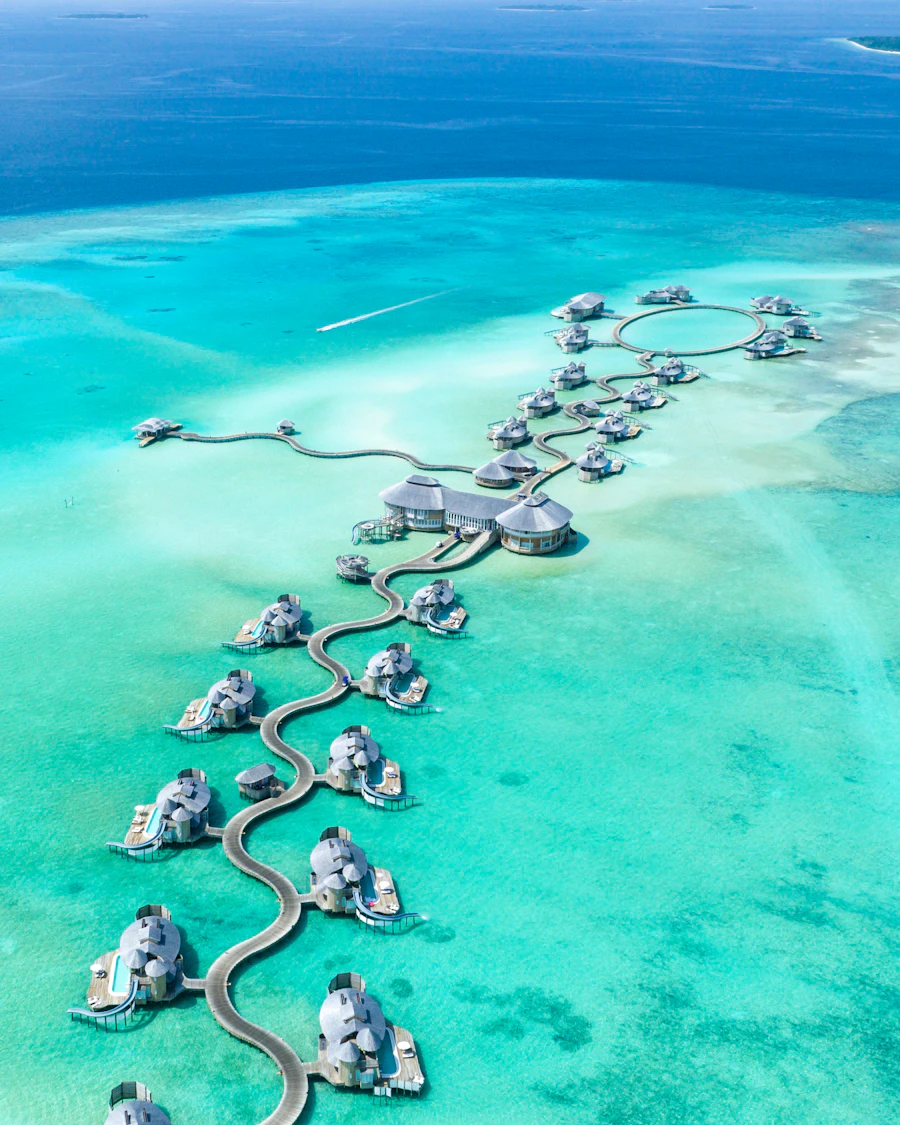
Apr–Jun: 25–27°C, 25–30m visibility. Just after the rainy season the water is at its clearest, and crowds are thin. Jul–Sep: 27–29°C, 20–28m. Peak season — go early to avoid crowds. Oct–Nov: 25–26°C, 28–35m. Visibility peaks here and underwater photography is spectacular — a hidden gem of a season. Dec–Mar: 22–24°C; a 5mm wetsuit is recommended. Far fewer tourists mean a private ocean experience.
What to expect on the day: Emerald Reef skin diving experience (2–3 hours)
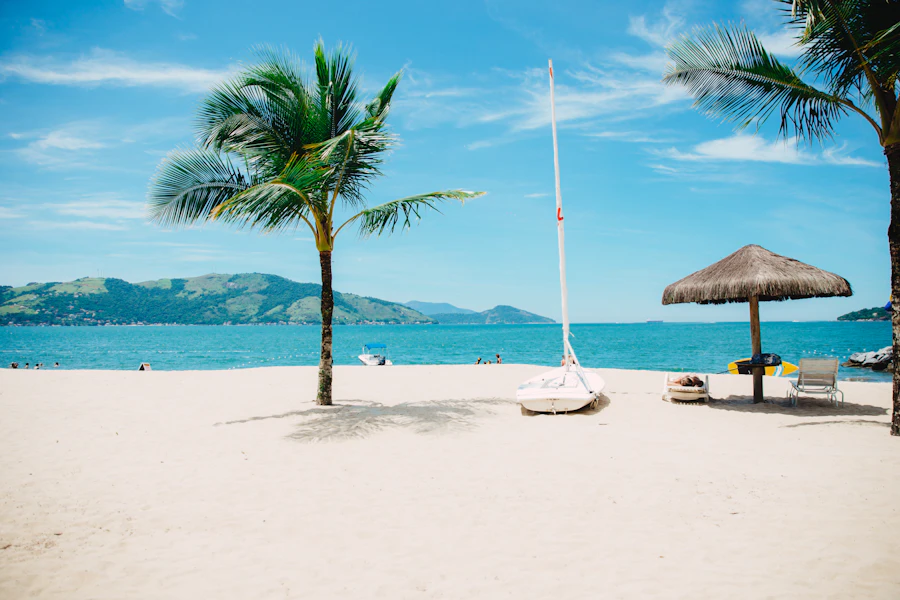
Pick-up from hotel → Beach arrival & gear fitting (15 min) → Breathing & safety lecture in the shallows (20–30 min) → Main dive with guide at 3–8m depth (60–90 min) → Rest & photo review on the beach (15–20 min) → Drop-off at hotel. You leave with new confidence, lasting memories, and free photos delivered by email.