Why the Sea in Okinawa Gets Even More Beautiful After a Typhoon Passes — The Science, and When to Go
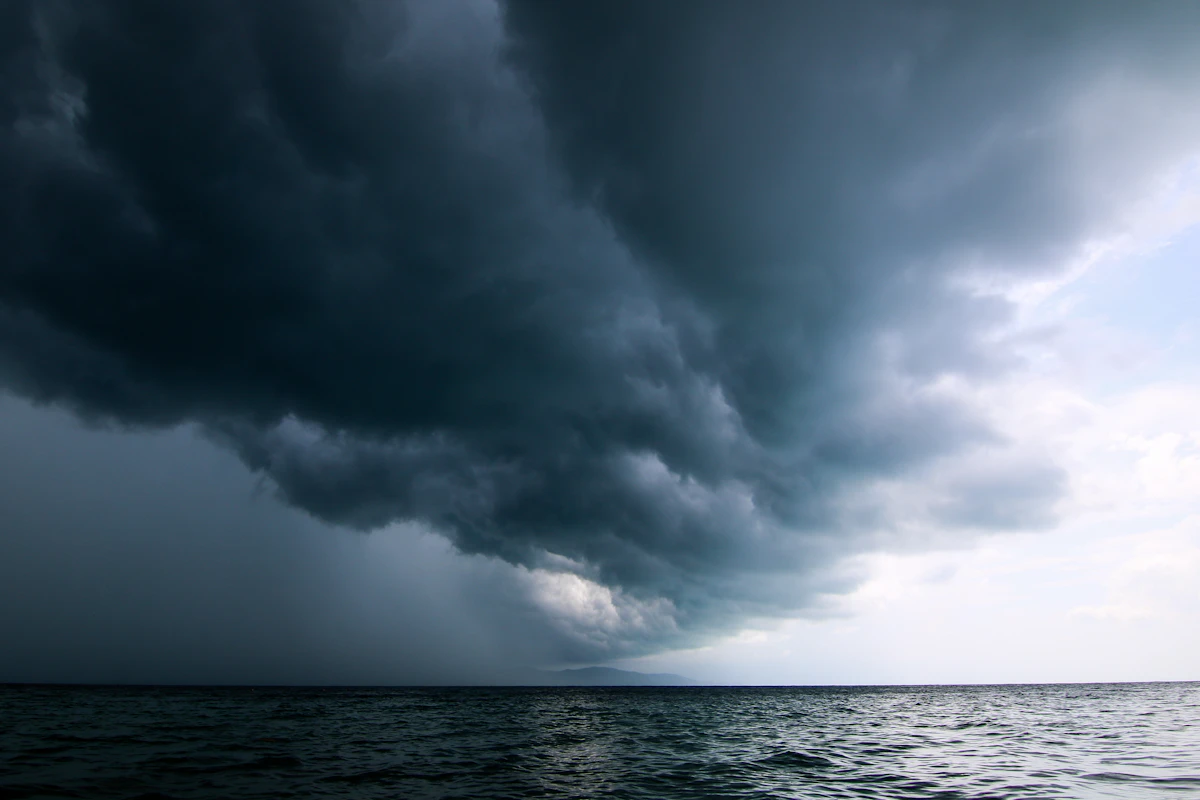
"The sea gets beautiful right after a typhoon" is something you hear constantly in Okinawa. Is it actually true, and why does it happen — and when is the best time to go? A local guide explains what really changes in the water, and how to enjoy it safely.
Is It True the Sea Gets Beautiful Right After a Typhoon?
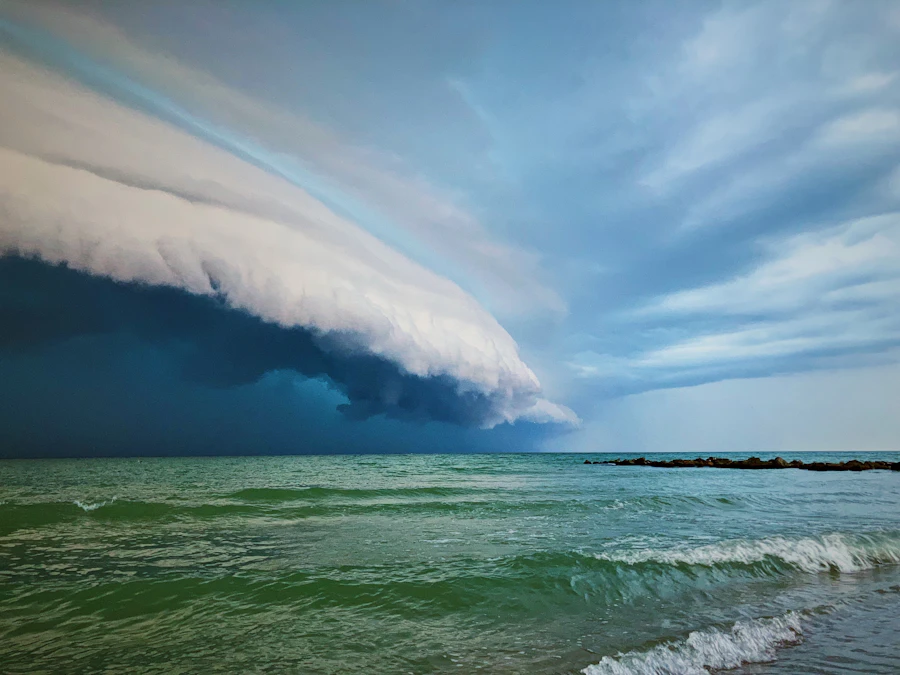
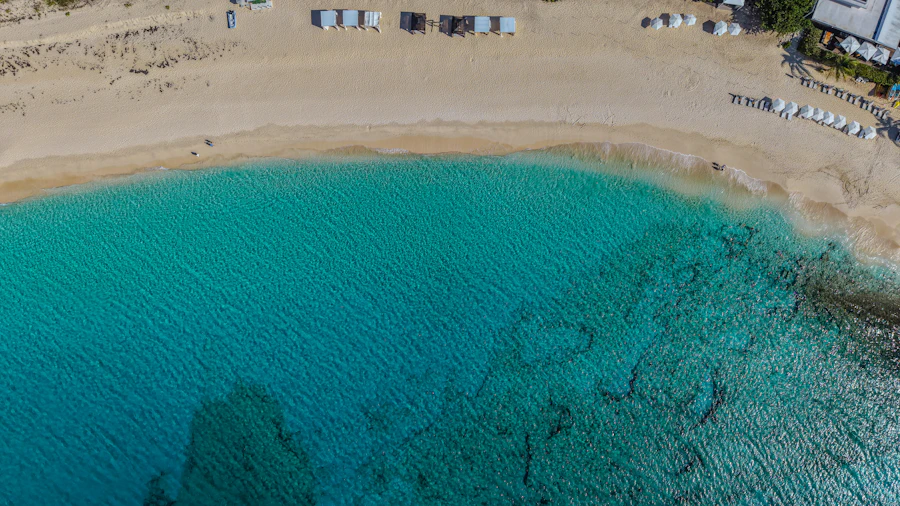
Guide long enough in Okinawa, and you'll hear it constantly: "the sea is beautiful right after a typhoon" (台風一過, taifuu ikka). Plenty of guests really do notice it — the water looks noticeably clearer for a few days after a typhoon passes, with a crisp line between the blue of the sky and the blue of the sea. But there's a catch: this isn't about the moment right after the storm leaves — it's about after the swell has settled down. Right after passage, the water is often still churned and murky, so timing is everything. Here's why it happens, and how to time it right.
Three reasons visibility improves after a typhoon
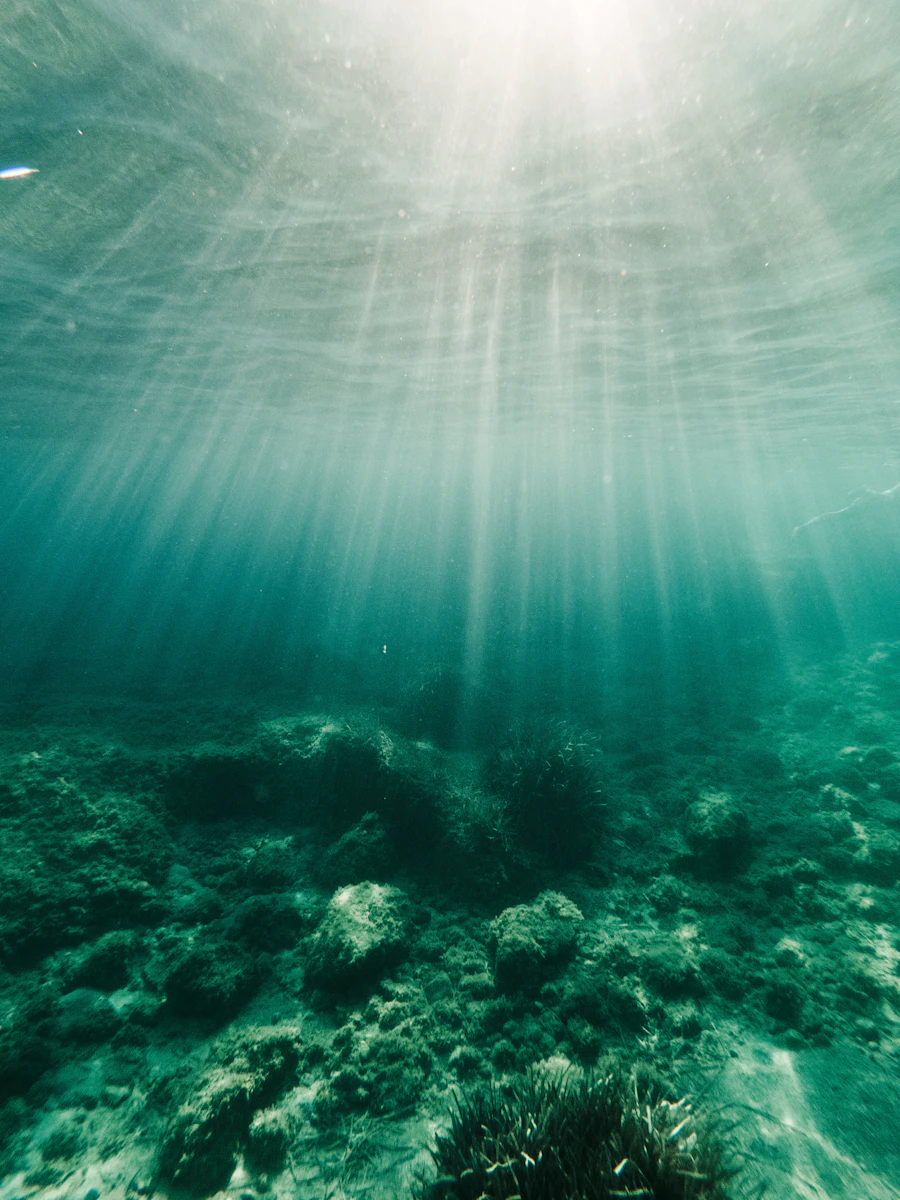
There are three main reasons. ① The air resets — the typhoon's strong winds blow away the summer humidity and haze, so right after it passes, the air is unusually clear and sunlight reaches the water straight and strong. That direct light makes the sea itself look a more vivid blue. ② Coastal surface water gets replaced — the big swell pushes the older water and fine sediment that had settled in bays and shallows out to sea, swapping it for cleaner open-ocean water. ③ Pressure stabilizes and the surface calms — as atmospheric pressure recovers quickly, the sea surface settles down, so there's less light scatter and the water looks clearer underneath. This is a rule of thumb our guides have learned from experience rather than a guarantee — conditions vary every time — but we genuinely hear "it was especially good after the typhoon" from guests very often.
The sweet spot: 2 to 4 days after the typhoon passes
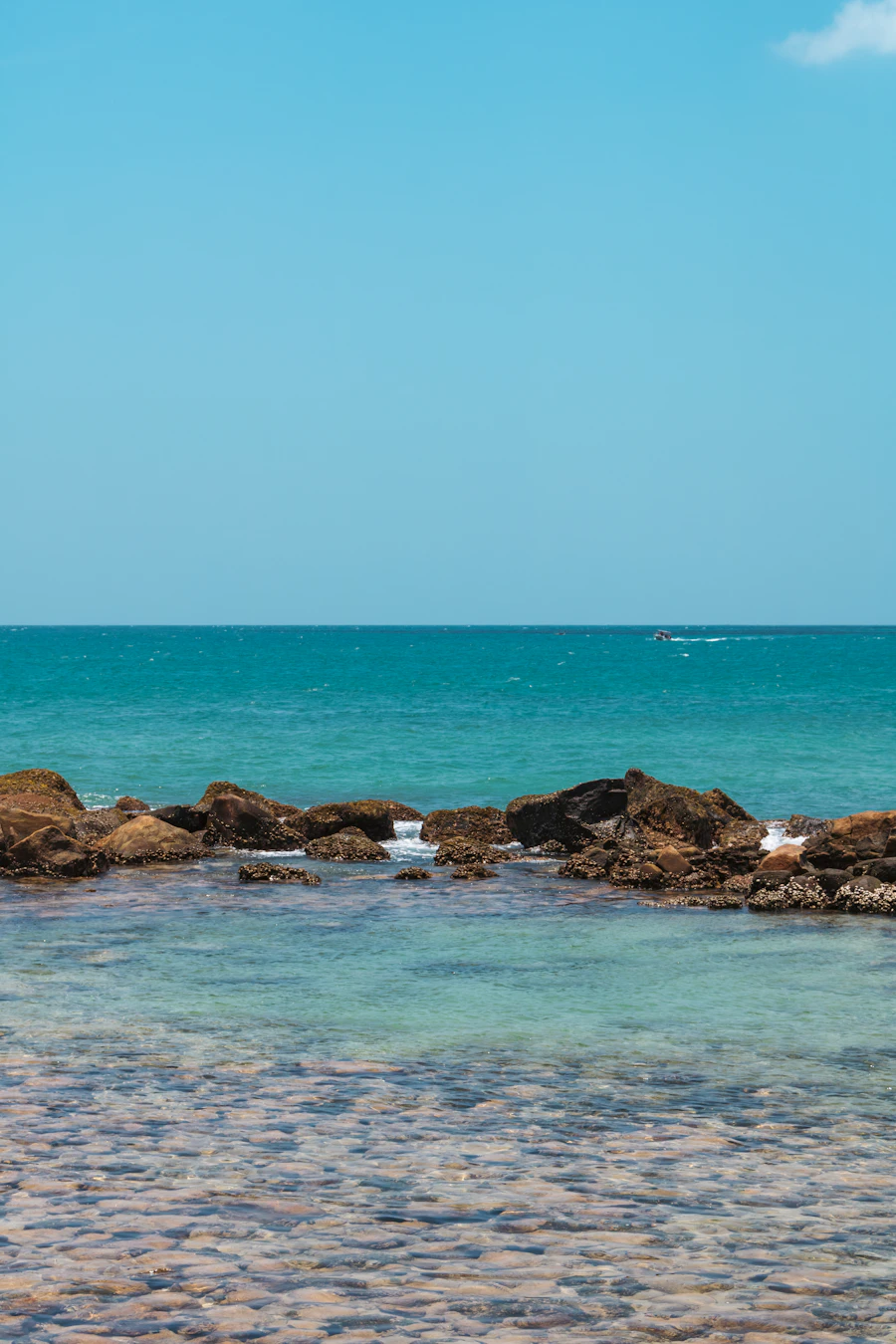
One thing to watch for: right after a typhoon passes is still dangerous. Swimming or snorkeling while swell remains carries real risk of being swept, and the water is usually still cloudy from the churn. In our experience, the best balance of clarity and safe conditions comes about 2 to 4 days after a typhoon has fully cleared Okinawa — once the swell has settled but the flushing effect is still visible in the water. Rather than writing off a trip because a typhoon is coming, building your schedule around the days just after it passes is actually a smart move. Some of our repeat guests deliberately time their bookings for right after a typhoon during the July–September season.
Safety comes first — how we decide, and what happens before your tour
That said, whether we run the tour is always decided by the actual sea conditions on the day, safety first. If swell remains, wind is strong, or visibility is genuinely poor, we don't push it — we offer a rescheduled date or a full refund. Even for bookings made during typhoon season, we contact you as early as possible once a storm's track becomes clearer, and we work with you right up to the day to find the best timing. Because every Emerald Reef tour is fully private, rescheduling is simple — you're never boxed in by another group's calendar. Mask, fins and life jacket are free rentals, hotel pickup is free, and every photo we take is emailed to you free (video too, for a limited time). If you'd like to aim for "the sea right after a typhoon," just build a little flexibility into your trip and talk to us. LINE and the contact form are open 24/7, and kids from age 3 are welcome.