Do You Need a Wetsuit to Snorkel in Okinawa in September or October? What the Temperature Data Says
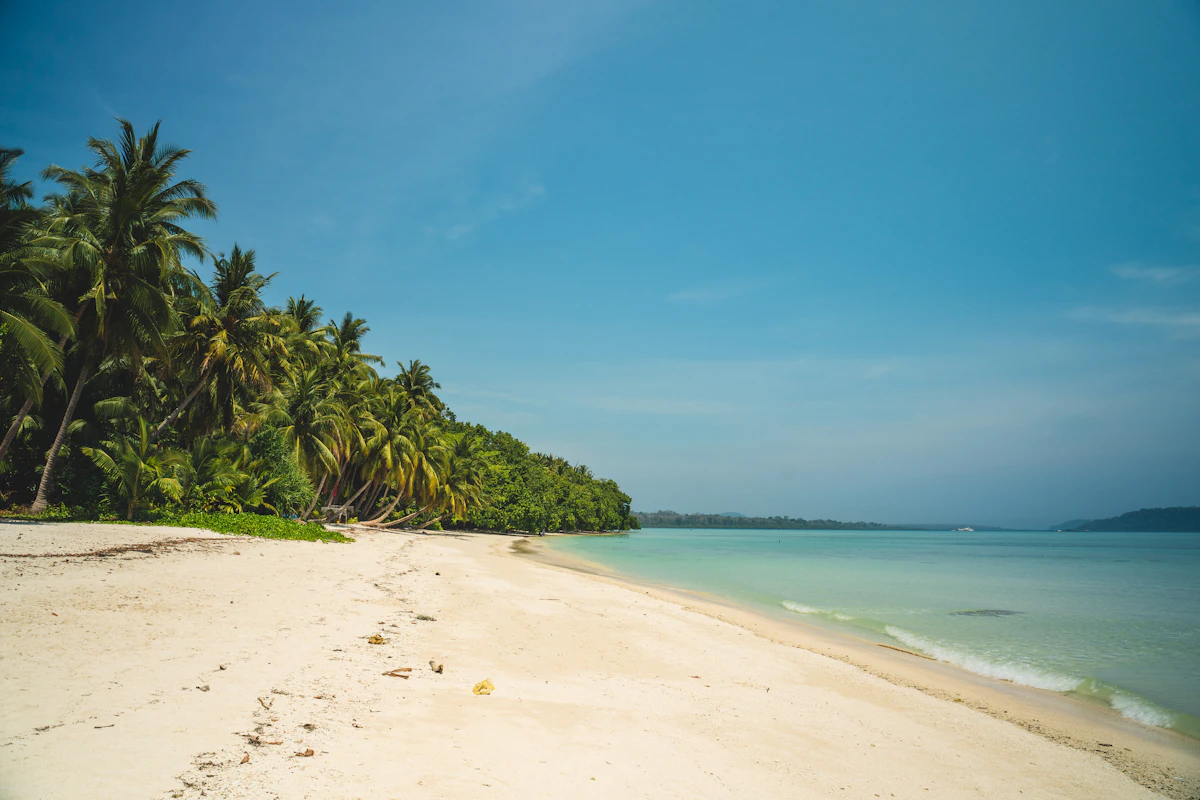
"Won't the sea be cold in autumn?" "Should I pack a wetsuit?" We hear these all the time from people planning a September or October trip. Using the Japan Meteorological Agency's normals and sea temperature data, here is why a swimsuit and rash guard are enough for snorkeling, how it differs from diving, and when a wetsuit actually becomes worth having.
September–October in numbers: still summer, in the air and in the water
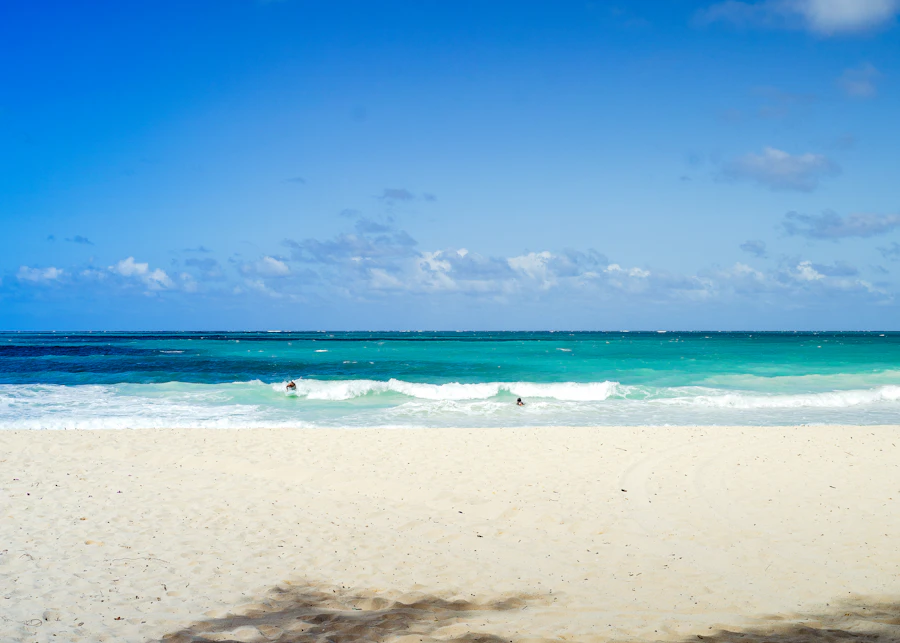
Start with the numbers. According to the Japan Meteorological Agency's normals (1991–2020), Naha averages 27.9°C in September with highs of 30.6°C, and 25.5°C in October with highs of 28.1°C. Even the overnight lows are 25.8°C in September and 23.5°C in October — short-sleeve weather almost every day. The sea is warmer still: about 28°C in September and about 27°C in October. Water holds its heat longer than air, so even as the air starts to cool, the water stays at summer temperatures. The mainland may be in autumn clothes, but Okinawa's sea is still a summer sea.
Why snorkelers can skip the wetsuit (and divers usually do not)
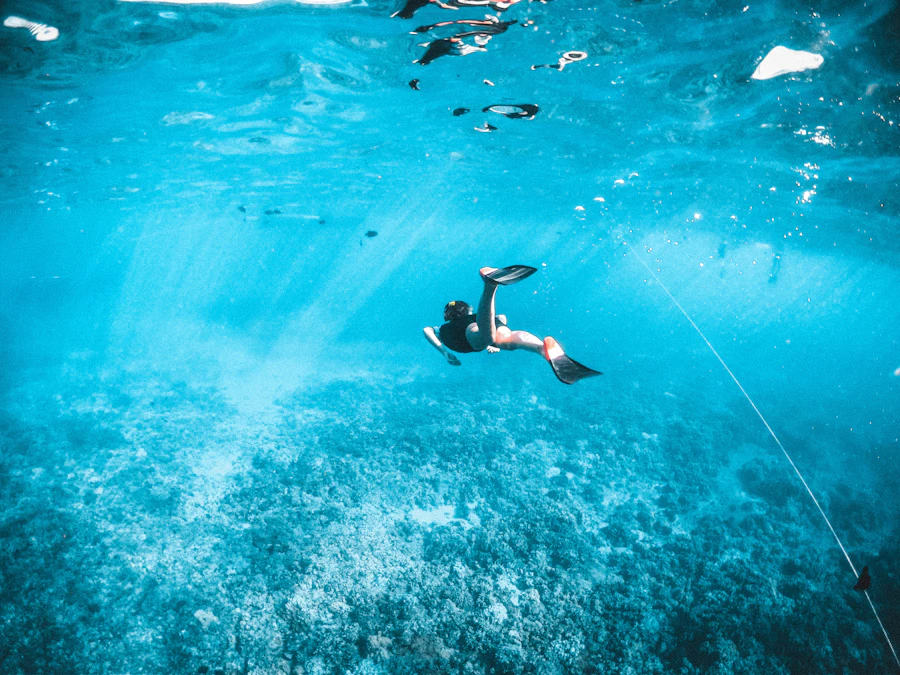
You may have noticed dive shops recommending a wetsuit even in September and October. That is because diving and snorkeling are completely different situations. Divers stay deep for long periods, and the cooler water at depth slowly draws heat from the body. Snorkelers spend nearly all their time floating near the sunlit surface in a life jacket. At a surface temperature of 27–28°C, the only chilly moment is the first second you get in. Emerald Reef does not rent wetsuits, and in September and October a swimsuit plus a rash guard is the standard on our tours.
What to wear in September–October: one rash guard does it all
Our recommendation: a rash guard over your swimsuit. The sun is strong in Okinawa even in autumn, so sun protection is the main reason, but it also prevents scrapes on coral and rock and keeps the chill off when the wind picks up — a do-everything layer. If you feel the cold easily, or want a long session on a windy late-October day, choose a long-sleeved rash guard or leggings. You are more likely to feel cold out of the water in the breeze than in it, so bring a big towel and something to throw on. If you are really worried about the cold, you are welcome to bring your own wetsuit.
Wetsuit season starts around November — which makes now the sweet spot
As a rule of thumb, from around November, when the water drops to about 25°C, some people start to feel a little cold and a wetsuit becomes worth having (Naha's average air temperature in November is 22.5°C). In other words, September and October are the last months of the year to enjoy Okinawa's sea in just a swimsuit — light luggage, nothing to bring. We provide mask, fins and life jacket free, with free hotel pickup and free photo data (video free for a limited time), and children from age 3. Same-day and next-day bookings are welcome.