Which Sunscreen for Okinawa's Sea? Choosing a Reef-Friendly One — and Sun Protection That Beats Sunscreen
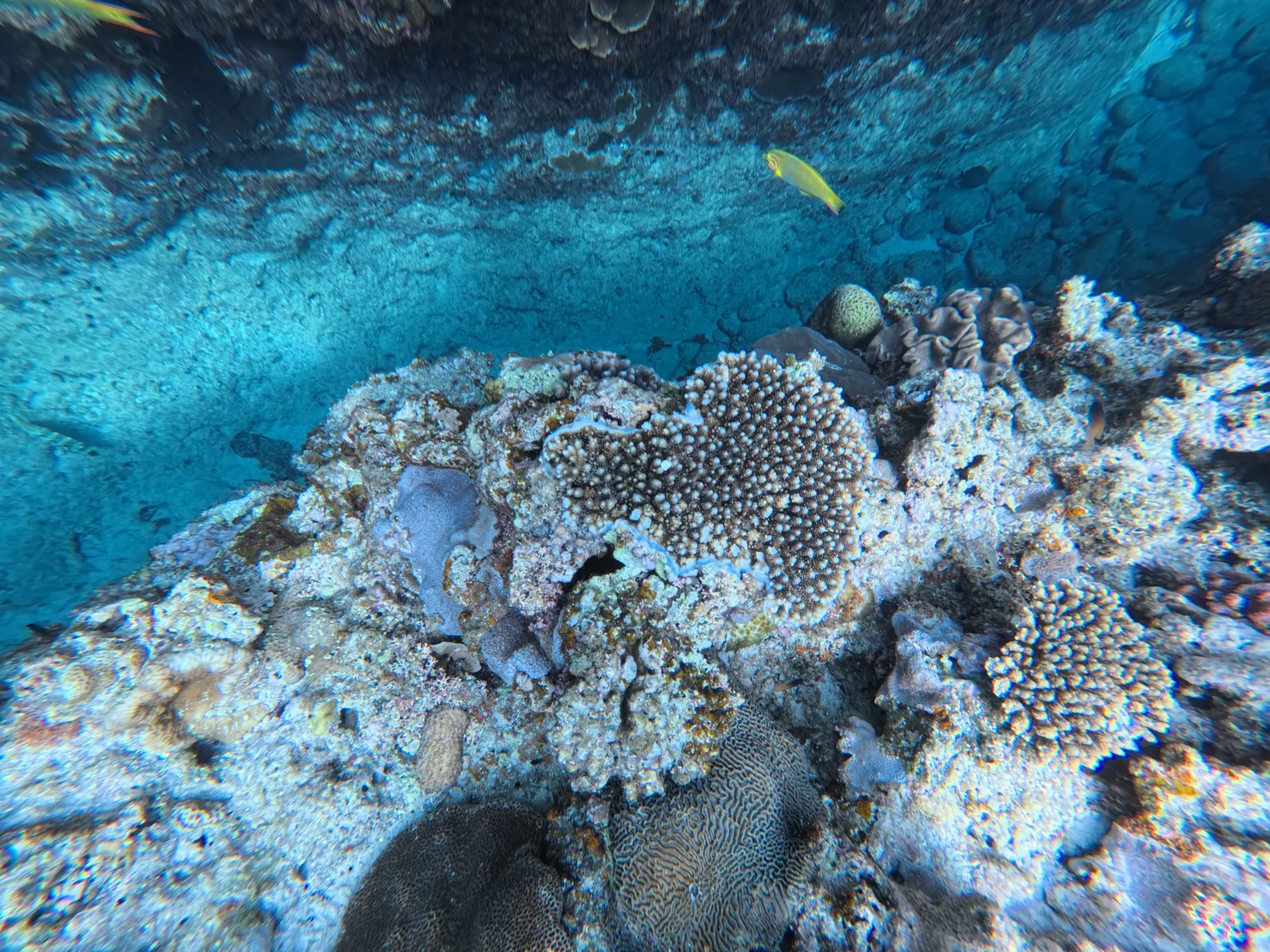
In midsummer, Okinawa often reaches a UV index of "very high" to "extreme". At the same time, some sunscreen ingredients have been linked to harm to coral. Here is how to choose a reef-friendly sunscreen, where snorkelers burn most, and why covering up works better than applying more.
The ingredients linked to coral damage
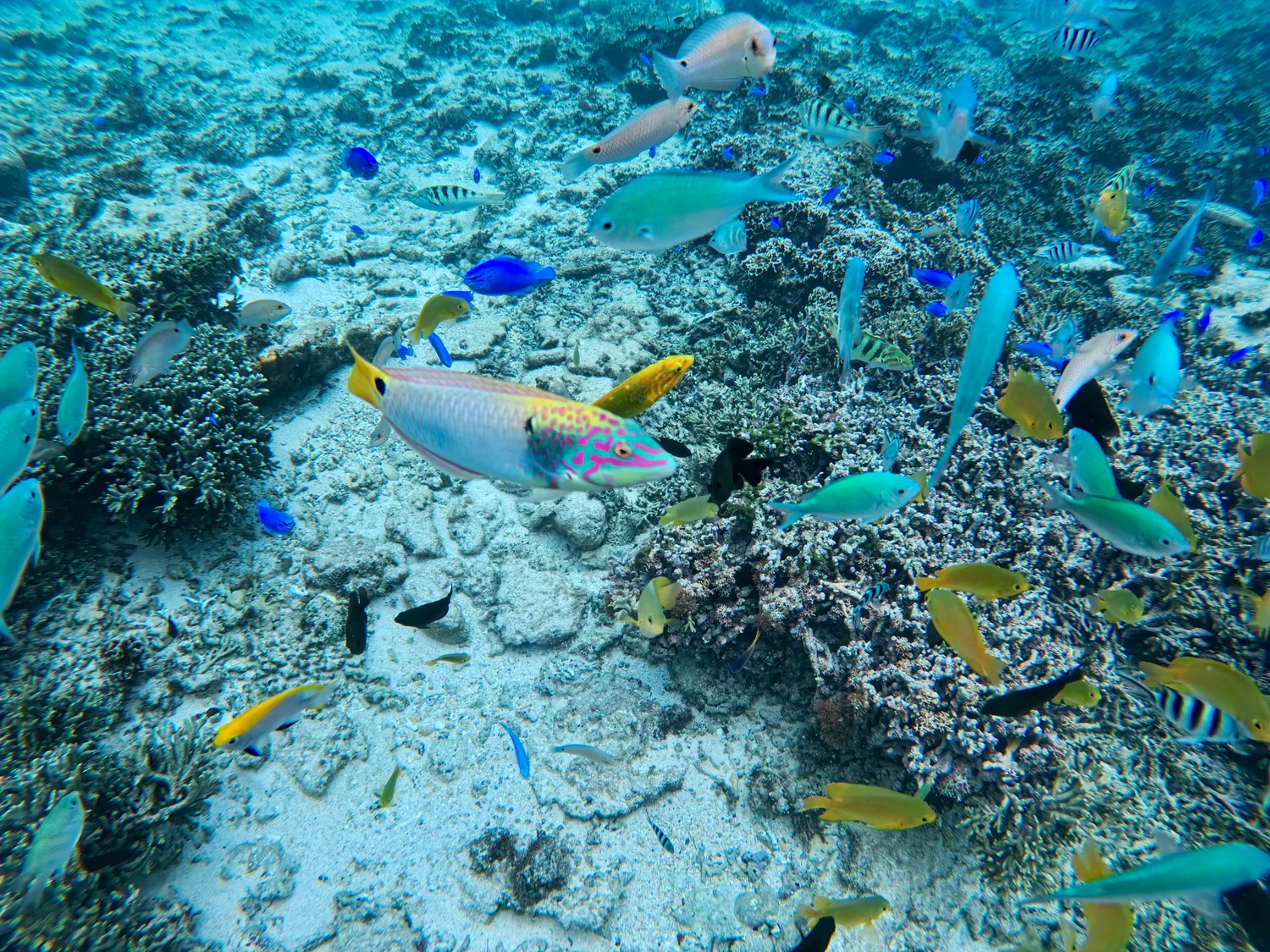
Among sunscreen ingredients, oxybenzone and octinoxate (ethylhexyl methoxycinnamate) have been linked in research to coral bleaching and slower growth. Hawaii has banned the sale of sunscreens containing either of them since 2021. Visitors to Okinawa's sea are asked to take care too, and we ask guests to use a mineral sunscreen (zinc oxide or titanium dioxide). The easiest way to choose is to read the ingredients and look for "no chemical UV filters" or "mineral only" on the label.
Snorkelers burn on the back, the back of the neck and the backs of the legs
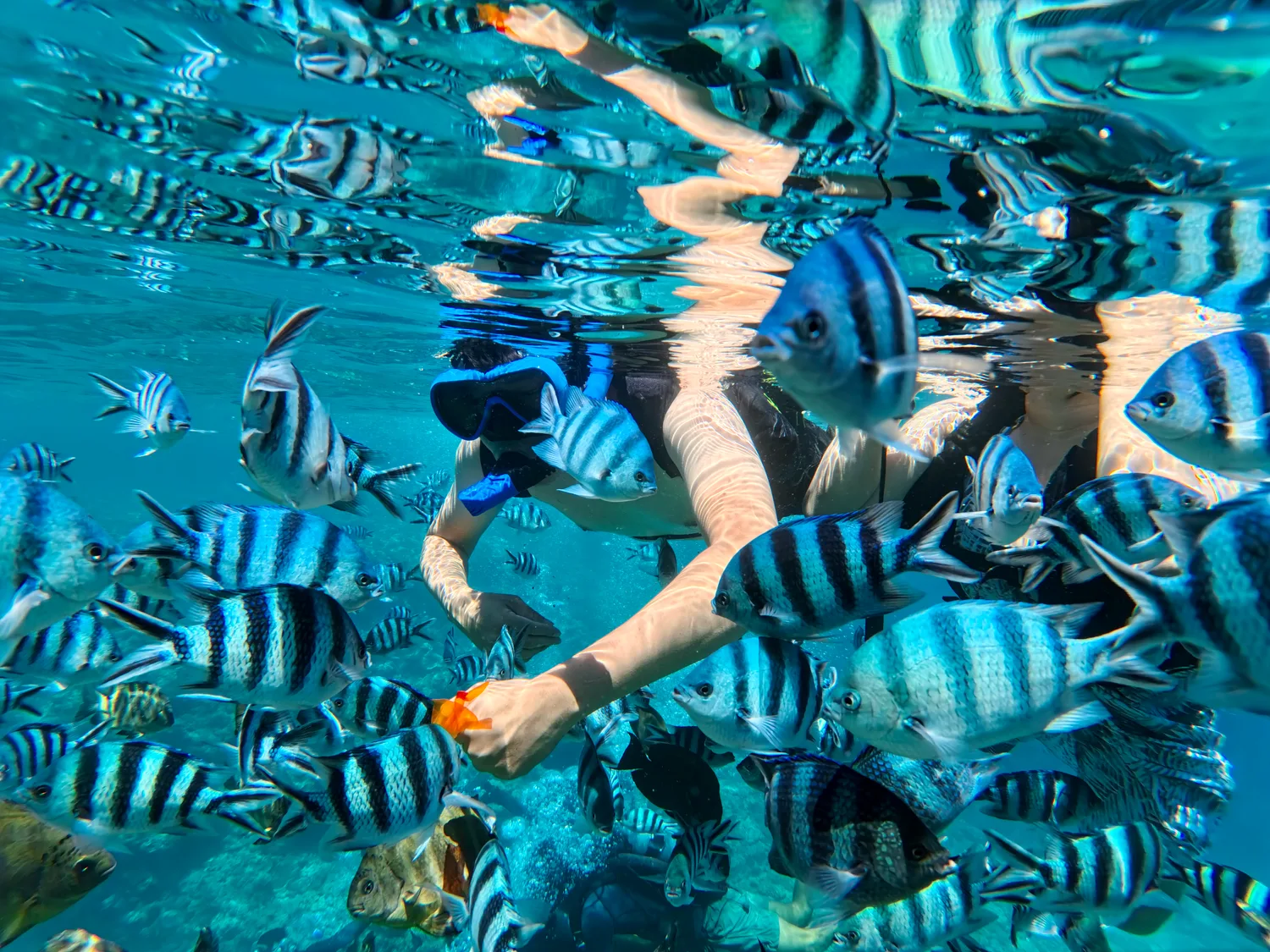
When you snorkel you spend almost all your time floating face down on the surface. So what burns is not your face but your back, the back of your neck and the backs of your thighs and calves. The water keeps you cool, so many people only notice the redness after getting out. What works here is covering up rather than applying more. A long-sleeved rash guard and leggings protect all the exposed spots at once and cut the amount of sunscreen you need. Less sunscreen washing into the sea is kinder to the coral as well.
Apply 15–30 minutes before you get in
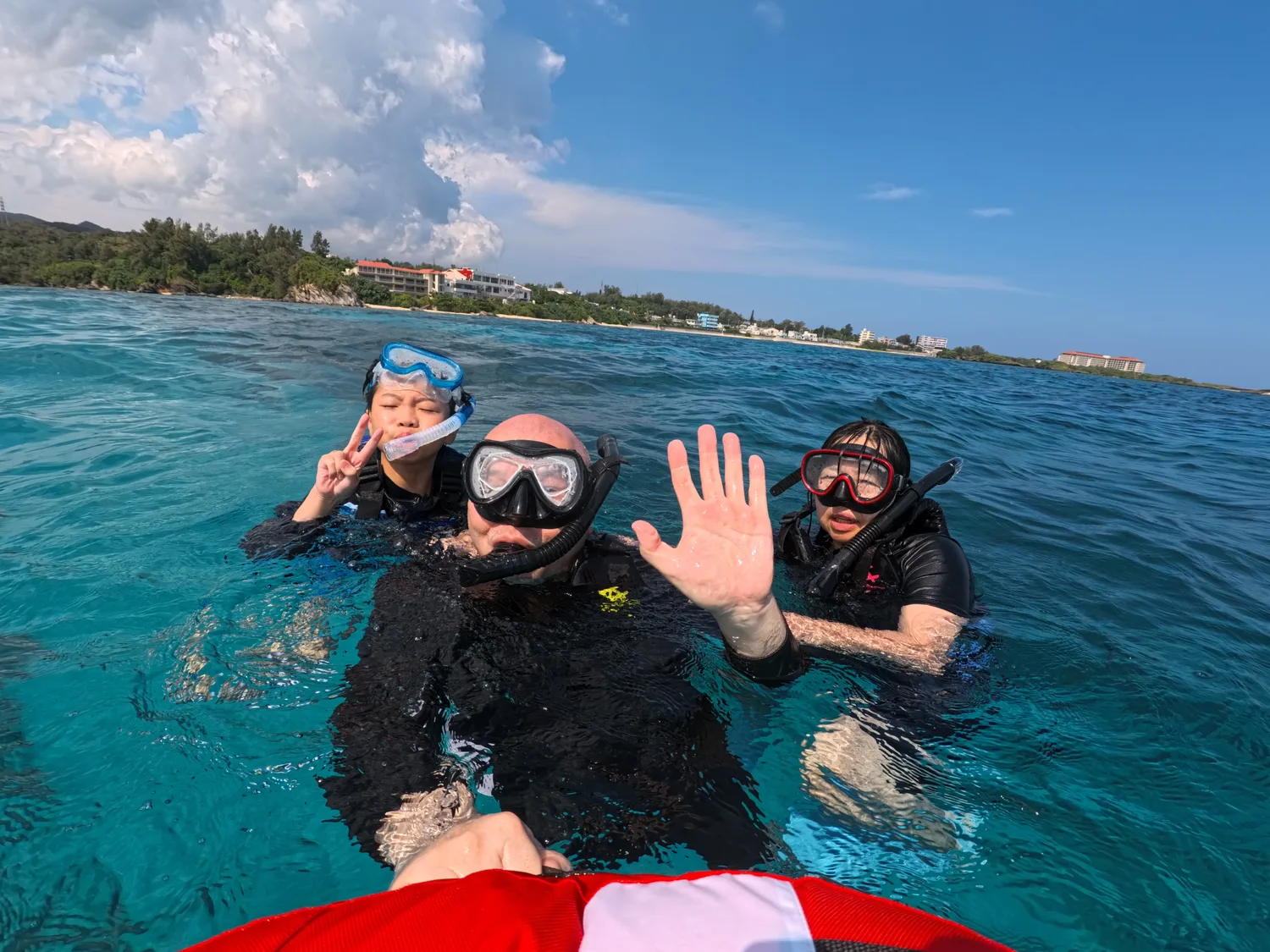
The basic rule is to apply sunscreen 15–30 minutes before going in and let it settle on your skin. Put it on right before entering and it washes straight off, protects you less and adds more to the sea. On our tours, applying it before you leave the hotel gets the timing just right. Even "water-resistant" sunscreen comes off with swimming and towelling, so reapply after you come out. Doing it in the car on the way back or before sightseeing makes a real difference to how red you are by evening. If you are unsure about your sunscreen, just ask your guide on the day.