Meet Clownfish in Okinawa's Sea: How They Differ from "Nemo," How to Tell Them Apart, and How to Watch Them
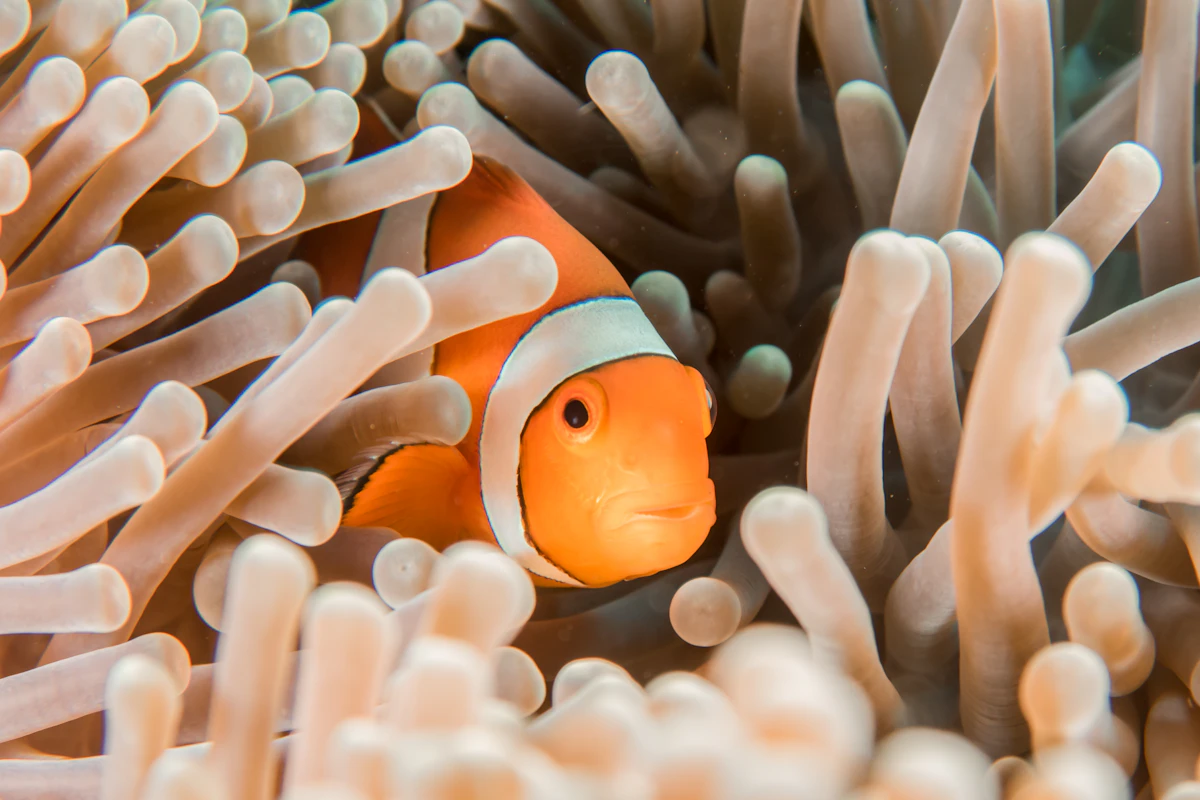
Orange and white stripes, peeking out of a sea anemone — clownfish are familiar from "Finding Nemo," but Okinawa's sea is home to several different kinds. A snorkel guide explains how they differ from Nemo, how to tell them apart, their curious partnership with anemones, and how to watch them without disturbing them.
Clownfish live with sea anemones
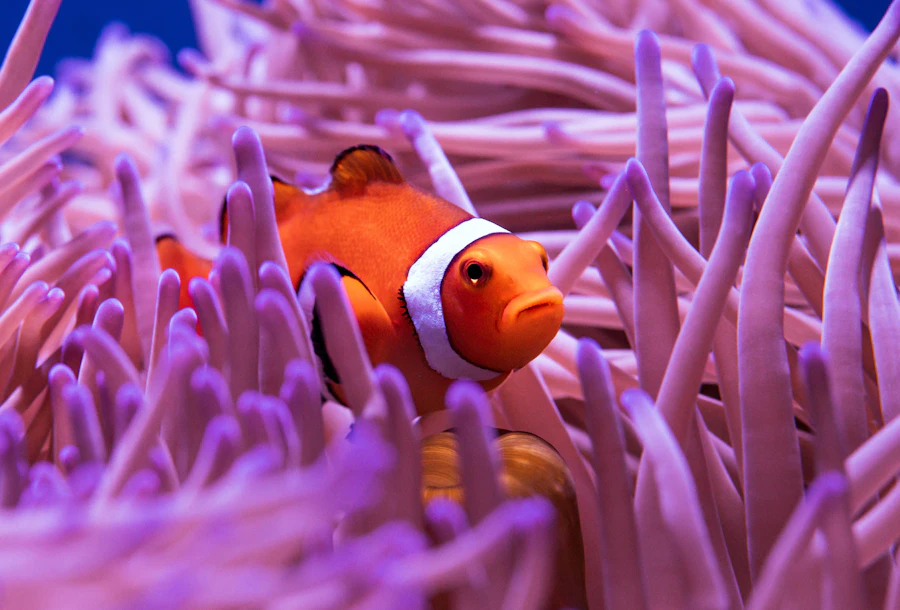
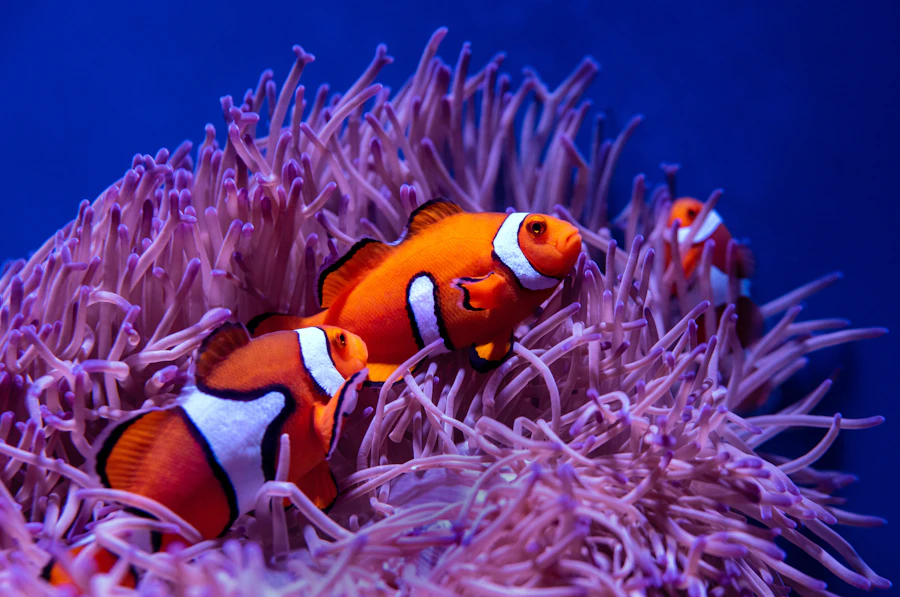
Clownfish are small fish that make their home in sea anemones. Anemone tentacles carry stinging cells that keep other fish away, but clownfish are thought to be protected by a layer of mucus on their skin. The anemone gives them a safe house; in return they chase off fish that come to nibble the anemone and bring it scraps of food — a partnership where both sides benefit, known as symbiosis. Get close and you will see them dart deep into the tentacles, or charge right at you as if to say "stay away!" — it never gets old.
Not just Nemo: the clownfish of Okinawa
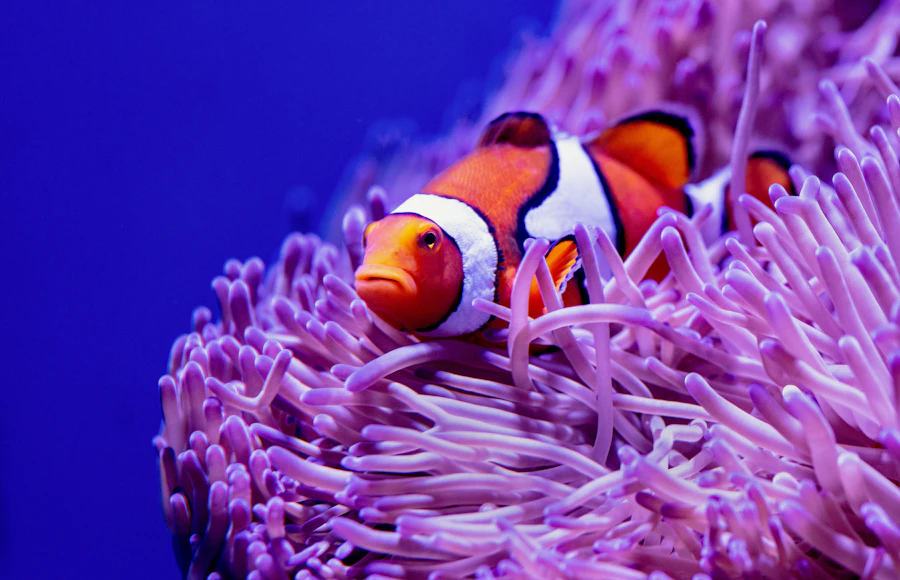
The star of "Finding Nemo" is the ocellaris clownfish — bright orange with three white bands edged in black. But Nemo is not alone in Okinawa. Six species of clownfish are found in Japan, and in Okinawa you have a chance to see all of them. As a rough guide: Clark's anemonefish (the most common; often a dark body with two or three white bands), the tomato clownfish (reddish orange with a single white band behind the eye), the pink skunk clownfish (pale pink with a white line along the back and a thin white head bar), the orange skunk clownfish (orange with a white line along the back), and the harder-to-find saddleback clownfish. Same family, very different looks — that is half the fun.
The biggest one in the group is the mother
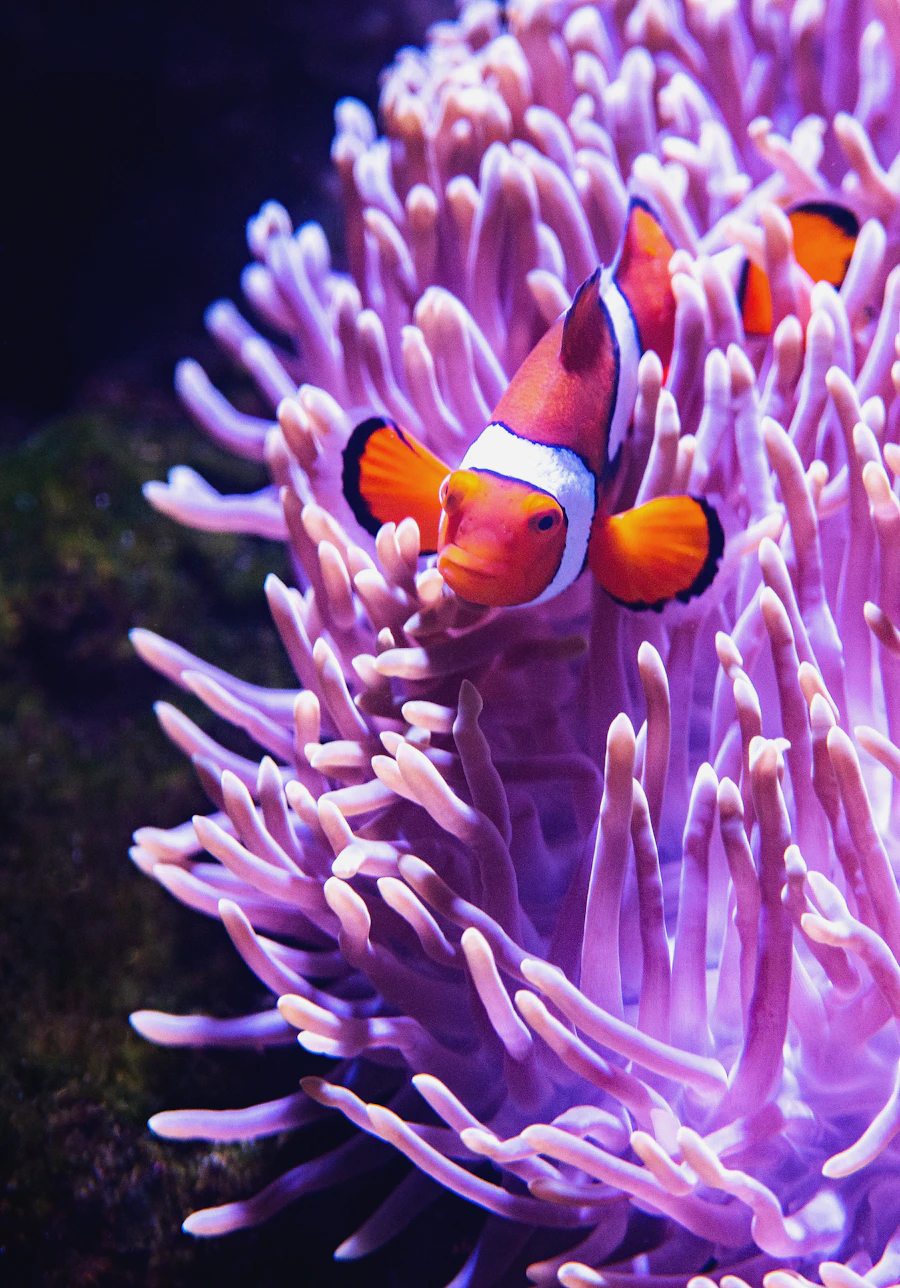
Clownfish have another surprising trait. In the group living on one anemone, the largest fish is the female and the second largest is the male, with smaller young fish making up the rest. If the female disappears, the male changes sex and becomes female, and the biggest of the young fish becomes the new male. So when you see several clownfish of different sizes in one anemone, the biggest one is "mum". Knowing that makes watching them far more fun — try asking your kids, "Which one is the mum?"
Watching etiquette, and your chances on our tours
If you spot a clownfish, the etiquette is simple: do not touch the anemone and do not chase the fish. The anemone is their home, and it can also irritate human skin. Keep your fins off the coral and watch quietly from the surface a little way back — that is how you get the best view, and if you stay still the clownfish will often come out to look at you. On our tours, one family wrote: "Further out we met blue and yellow tropical fish and clownfish, and the kids were thrilled!" (They are wild animals, so sightings are never guaranteed.) When the guide spots one we signal to you underwater, and the photo data is free. We take children from age 3 — perfect for little Nemo fans.